Review: Soi Fish Layered Paper Cut Design
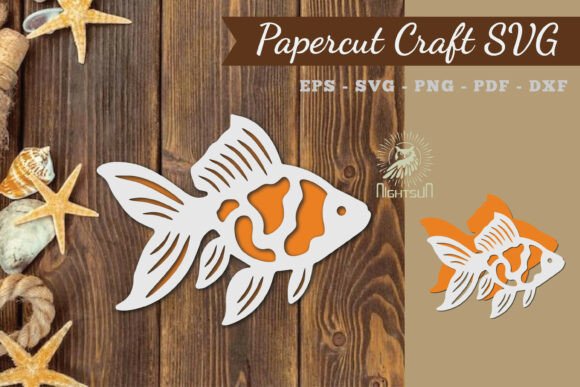
As a designer who spends more time staring at stitch maps than most people care to admit, I am always skeptical when I see "3D" or "Paper Cut" in a product title for embroidery. Usually, these terms imply a digital effect that doesn't translate well to thread, or worse, a design so dense it turns your fabric into cardboard. However, after spending the last week evaluating the Soi Fish Layered Paper Cut Papercut 3D design, I have to say my initial hesitation turned into genuine excitement about its potential for high-end custom apparel and home decor.
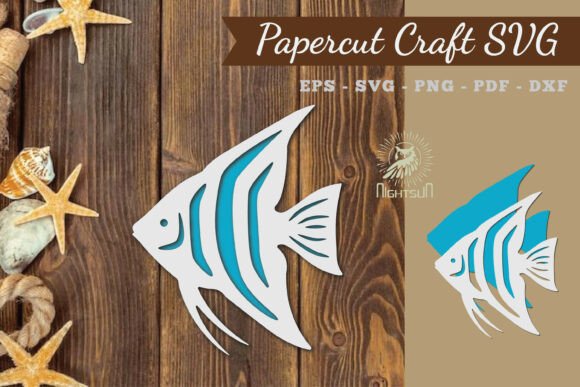
My first impression upon opening the files was the sheer elegance of the layout. This isn't just a random cluster of shapes; it feels like a deliberate composition meant to mimic the depth of a shadow box without requiring actual physical layers of foam board. The mood is serene and aquatic, perfect for projects that need to feel organic rather than industrial. For those of us running small shops or Etsy listings, finding a design that bridges the gap between trendy digital art and tangible textile work is gold. This design offers that bridge.
Real-World Application: The Boutique Tote Test
To truly understand how this machine embroidery design performs, I didn't just look at the preview images. I simulated a real client order. Imagine a local boutique owner who wants a line of eco-friendly tote bags featuring marine life themes. They need something that looks expensive but holds up to grocery runs and beach trips. I chose the Soi Fish Layered Paper Cut Papercut 3D for this scenario.
The visual personality of the fish fits perfectly on a canvas tote. Because the design relies on layered silhouettes to create depth, it avoids the heavy saturation that often causes puckering on lighter fabrics. When I mapped out the thread colors, I realized the beauty lies in the contrast. Using varying shades of teal and navy against a natural cotton background created a stunning finished product that looked far more complex than the stitch count suggested. It's the kind of handmade product that stops a customer in their tracks at a craft fair because it has a painterly quality usually reserved for screen printing, yet it retains the texture and prestige of embroidery.
Navigating Fabric Textures and Hoop Constraints
While the design is beautiful, practical application requires caution. Not every surface is ready for this level of detail. If you are planning to use this on a sweatshirt embroidery project, you must consider the fabric texture. Fleece and French terry have loops that can swallow fine details. For the Soi Fish design to shine, the negative space between the layers needs to be crisp. On thick, fuzzy fabrics, those gaps might close up, turning your intricate paper-cut style into a solid blob.
I recommend testing this on a tighter weave, like a twill cap or a polished cotton pillow cover, before committing to a full production run. Also, pay close attention to your hoop size. While the design is versatile, ensuring it fits comfortably within your frame without excessive re-hooping is crucial for alignment, especially if you are doing custom apparel where placement on the chest or sleeve needs to be precise. If you are working with stretchy fabrics like jersey for baby embroidery, a robust stabilizer is non-negotiable. The layered nature of the design means there are multiple stop points and color changes; any fabric shift during these pauses will ruin the illusion of depth.
Elevating Brand Value Through Design Choices
For commercial embroidery professionals, the choice of design directly impacts perceived value. A generic fish outline sells for five dollars. A nuanced, multi-layered aquatic scene that mimics a 3D shadow box effect? That commands a premium. Using the Soi Fish Layered Paper Cut Papercut 3D allows you to position your brand as a creator of art, not just logos.
This design works exceptionally well for holiday embroidery gifts, particularly for summer-themed occasions or nursery decor. The softness of the layers makes it gender-neutral and ageless, fitting equally well on a personalized gift for a new parent or a decorative accent for a coastal-themed living room. When customers see the clean lines and thoughtful color separation, it builds trust. They recognize that care went into the digitizing process, which reflects back on your professionalism as the maker.
It is worth noting that while this product is categorized under 3D Svg and often associated with papercrafting, its adaptation for thread requires a keen eye for stitch density. If you are purchasing the files from platforms like Creative Fabrica, ensure you are getting the correct embroidery formats (PES, DST, EXP, etc.) and not just vector cut files intended for Cricut or Silhouette machines. The listing mentions "4 Cut files," so verify if an embroidery-specific digitized version is included or if you need to have it digitized separately for machine use. Using a vector cut file directly on an embroidery machine without proper digitizing will result in poor stitch quality and potential machine jams.
Practical Notes for the Serious Maker
Before you list this as a small shop product or include it in your design assets portfolio, here are my top recommendations for execution:
- Test on Scrap First: Always stitch a sample on the exact fabric weight you intend to sell. What looks good on muslin might pucker on silk.
- Check Contrast: View your design in black and white mockups. If the layers blend together without color, the depth is lost. Ensure your thread palette has enough variation.
- Stabilizer Strategy: For designs with open areas and layers, a cut-away stabilizer often provides better long-term support than tear-away, preventing distortion after washing.
- Licensing Verification: If you plan to sell finished items like embroidered patches or tote bag designs, double-check the license terms provided by the creator. Some "cut files" are for personal use only, while others allow commercial sales of physical goods but not digital redistribution.
- Density Check: If you are digitizing this yourself from the SVG source, keep the fill stitch density moderate. Too many stitches in the overlapping layers will make the design stiff and prone to breaking.
In conclusion, the Soi Fish Layered Paper Cut Papercut 3D is a standout choice for designers looking to add dimension and artistic flair to their repertoire. It moves beyond the standard flat logo aesthetic and invites the viewer to appreciate the interplay of light and shadow through thread. Whether you are creating a one-off personalized gift or building a collection for a boutique, this design offers the versatility and visual impact needed to succeed in today's competitive handmade market. Just remember to respect the materials, choose your fabrics wisely, and let the design do the talking.