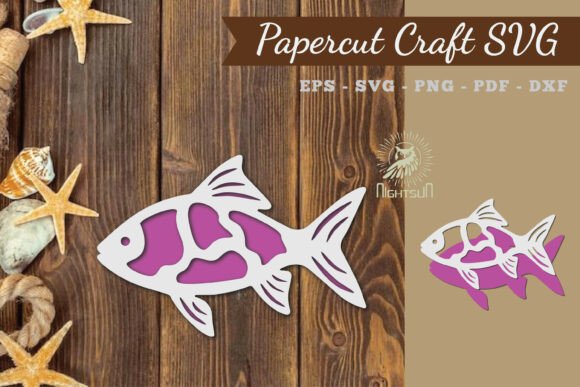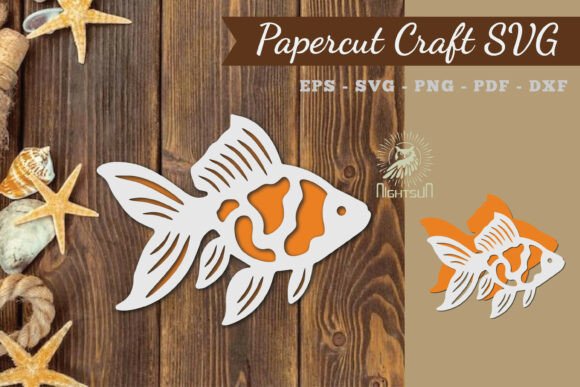
Fish Paper Cut SVG 3: A Designer's Review for Embroidery
As someone who spends hours digitizing and testing designs for client projects, I approach every new machine embroidery design with a critical eye. It is not just about whether the image looks cute on a screen; it is about how that digital embroidery file translates into thread, fabric, and ultimately, a finished product that holds up to wear and washing. Today, I am taking a close look at Fish Paper Cut SVG 3. While this asset is categorized as a 3D SVG and marketed primarily for cutting machines, my goal is to evaluate its potential for embroidery applications, specifically for those of us looking to create unique handmade products or expand our craft business inventory.
First Impressions and Visual Personality
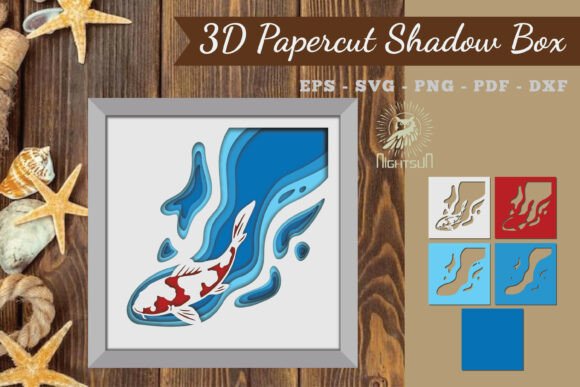
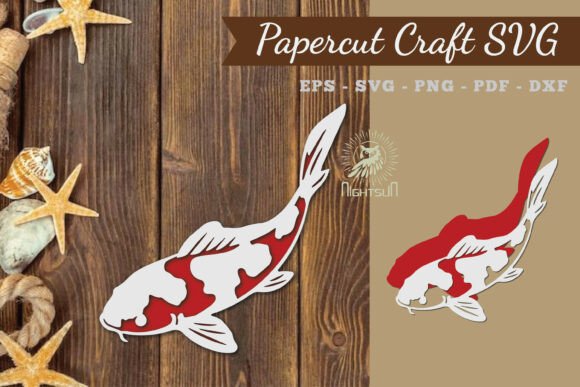
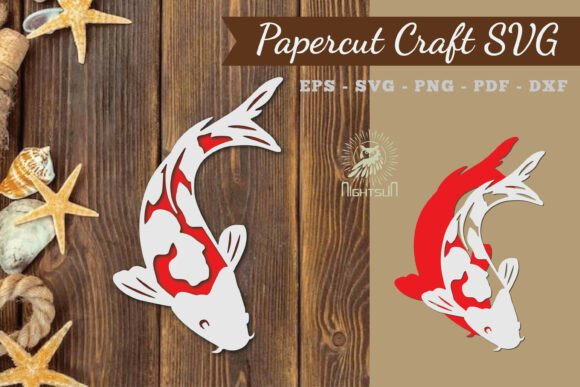
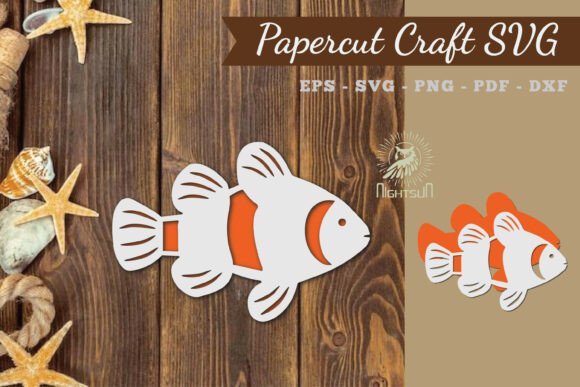
When I first opened the files included in the package—specifically the SVG For Cutting, file AI CS6, and file EPS—the immediate impression was one of clean, geometric simplicity. The "paper cut" aesthetic relies on distinct layers and sharp contrasts, which can be a double-edged sword in embroidery. On one hand, the bold shapes make for a striking visual statement. On the other, they require careful planning if you intend to recreate this look with thread.
The mood of Fish Paper Cut SVG 3 is playful yet sophisticated. It lacks the overly cutesy details that often date quickly, making it a versatile choice for a wide range of demographics. Whether you are designing for a nursery or a boutique beachwear line, the silhouette feels modern. For an Etsy seller or small shop product creator, this kind of timeless appeal is gold. It suggests a design that won't feel obsolete next season, ensuring your design assets remain relevant.
Real-World Application: The Tote Bag Scenario
To truly test the viability of this design, I imagined a specific real-life scenario: creating a custom tote bag design for a local farmers' market vendor. The client wanted something durable, washable, and visually popping against a natural canvas background. Here is where the nature of Fish Paper Cut SVG 3 comes into play.
Since this is technically a vector graphic intended for cutting, using it for embroidery requires a strategic approach. If you are using a machine that supports appliqué, this design is perfect. You could use the SVG paths to cut fabric shapes and then stitch them down using a satin stitch or a tight fill stitch border. This method honors the "paper cut" origin of the file while leveraging the texture of thread. Alternatively, if you are digitizing this yourself (or hiring a digitizer), the clean lines of the file DXF or file PDF previews provide an excellent roadmap for creating running stitches or column stitches that mimic the layered paper effect.
In this tote bag scenario, the result would be a high-value personalized gift or retail item. The bold fish shape stands out from a distance, drawing customer attention at a craft fair. However, the success of this embroidery project hinges on execution. A poorly digitized version of these sharp corners could lead to thread breaks or puckering, so the initial vector quality provided in the High Quality PNG and vector files is crucial for reference.
Navigating Fabric and Stitch Challenges
While the design is promising, there are areas where caution is necessary. If you plan to use Fish Paper Cut SVG 3 on stretchy fabric like a jersey t-shirt or a sweatshirt embroidery project, you must consider the density of your stitching. Paper cut designs often imply solid blocks of color. In embroidery, filling large areas with dense fill stitch can make the fabric stiff and uncomfortable against the skin.
For baby embroidery items, such as onesies or bibs, softness is paramount. I would recommend adapting the design to use more open textures or lighter stitch densities in the center of the fish, reserving the heavier stitching for the outlines. Additionally, when working on textured fabrics like towels or waffle weave, small details can get lost. The clean lines of this design help, but you must ensure your stitch density is high enough to cover the fabric loops without sinking in.
Another consideration is the hoop size. Depending on how large you scale the fish, you need to ensure your machine can accommodate the design within a single hooping. Re-hooping mid-design can lead to alignment issues, ruining the crisp geometry that defines the paper-cut style. Always check the dimensions of your vector file against your machine's maximum hoop size before starting.
Commercial Viability and Brand Consistency
For commercial embroidery professionals and digital product sellers, consistency is key to building trust. Fish Paper Cut SVG 3 offers a level of professionalism that elevates brand perception. When a customer receives an embroidered patch or a custom apparel item with clean, deliberate lines, it signals quality. Sloppy edges or unclear shapes can diminish the perceived value of your small business merchandise.
This design works exceptionally well for holiday embroidery themes, such as summer beach parties or ocean-themed baby showers. Its versatility allows it to fit into various collections without clashing. Furthermore, because the package includes formats like file AI CS6 and file EPS, you have the flexibility to create printable mockup images for your online store before you even stitch a single thread. This ability to visualize the finished product on different backgrounds—using the High Quality PNG for overlays—helps in marketing your items effectively to potential buyers.
Practical Notes for the Embroiderer
Before committing to a production run, here are my professional recommendations for working with a design like this:
- Test on Scrap Fabric: Always stitch a sample on the exact same material you plan to use for the final product. This reveals how the fabric reacts to the stitch pull.
- Check Thread Contrast: The paper-cut style relies on layering. Ensure your thread colors have enough contrast to distinguish the different sections of the fish, or else the detail will vanish.
- Stabilizer Selection: Use the appropriate stabilizer for your fabric type. Cut-away stabilizer is often best for stretchy garments to prevent distortion over time, while tear-away might suffice for stable woven fabrics like tote bags.
- Review Licensing: Although the file formats suggest versatility, always confirm the licensing terms before selling finished products or using the design in commercial embroidery projects. The inclusion of file PDF and file DXF indicates broad utility, but usage rights vary by creator.
- Inspect Small Details: Look closely at the tail and fins in the vector preview. These are high-movement areas that may need reinforced stitching or simplified geometry to embroider cleanly.
In conclusion, Fish Paper Cut SVG 3 is a robust asset that bridges the gap between digital cutting files and tactile embroidery art. With thoughtful adaptation and attention to stitch technique, it can become a staple in your repertoire of design assets, helping you create memorable personalized gifts and profitable craft business items. It reminds us that great embroidery starts with a great foundation, and this design provides exactly that.