Layered Explosion Box: A Designer's Take on 3D SVG Craft
As someone who spends hours scrutinizing stitch paths and testing fabric compatibility, I approach every new machine embroidery design with a mix of curiosity and caution. When I first encountered the Layered Explosion Box, my initial reaction wasn't to rush to the hoop, but to pause and consider its structural integrity and visual impact. This isn't just another flat motif; it is a 3D SVG concept translated into a digital format that demands precision. The mood it creates is one of anticipation and celebration, perfectly suited for the emotional weight of occasions like Mother S Day. For designers and small business owners, the question isn't just "does it look good?" but "will it hold up in a finished product?"
First Impressions: Structure Meets Sentiment
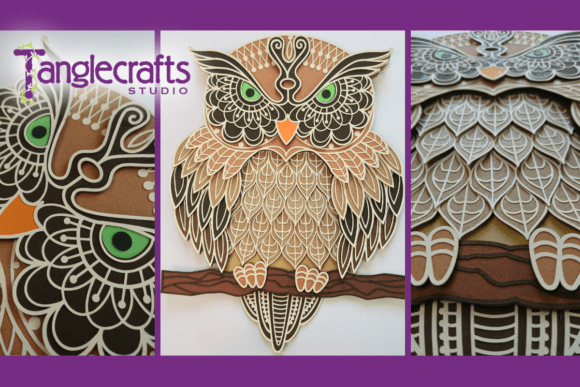
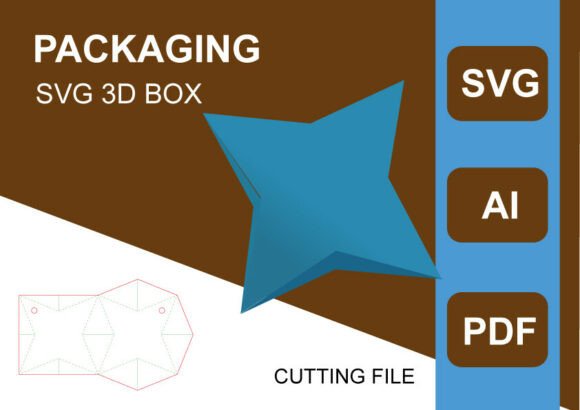
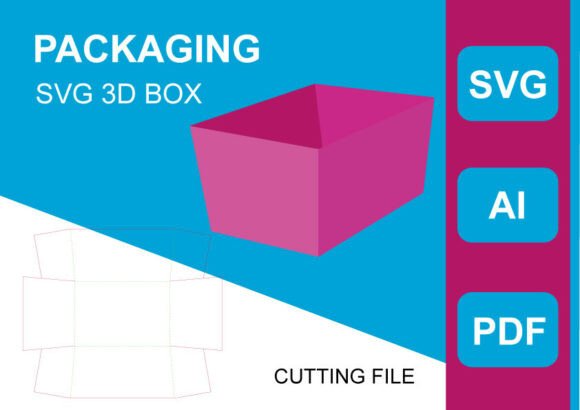
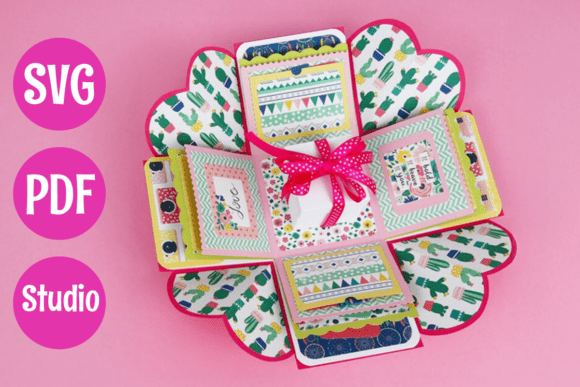
The visual personality of the Layered Explosion Box is distinct. Unlike standard floral fills or monogram frames, this design relies on the illusion of depth and unfolding layers. In a digital preview, the lines suggest a complex interplay of shadows and highlights, mimicking the physical act of opening a multi-tiered gift box. For an embroidery project, this translates to a need for careful thread color selection. If you are planning to use this as an applique design, the potential for texture is immense. However, if relying solely on satin stitch and fill stitch techniques, the density becomes critical.
The layout feels organic yet structured, making it a natural fit for items that serve as keepsakes. It doesn't scream for attention like a neon logo; instead, it invites the viewer to look closer. This subtlety is what makes it valuable for boutique branding and high-end handmade product lines. It suggests that the creator put thought into the narrative of the item, not just the decoration.
Real-World Application: From Screen to Stitch
Let's walk through a realistic scenario. Imagine a client requests a custom personalized gift for their mother—a premium tote bag filled with memories. You decide to use the Layered Explosion Box as the central feature. Before committing to the final embroidery file, you must consider the canvas. A heavy-duty cotton tote offers a stable base, but the curvature of the bag when filled could distort the lower tiers of the design if the stabilizer isn't robust enough.
In this context, the design shines as a focal point for a tote bag design intended for special occasions rather than daily grocery runs. The intricate layers would get lost on a rough, textured burlap, so a smooth twill or canvas is essential. Similarly, for sweatshirt embroidery, the plush nature of fleece can swallow fine details. If you attempt this on a hoodie, you might need to increase the stitch size slightly or opt for a heavier weight thread to ensure the "explosion" effect remains visible against the nap of the fabric.
For those running an Etsy seller shop or a small craft business, versatility is key. This design could easily transition into an embroidered patch if digitized with a merrowed edge or a tight satin border. Patches allow customers to apply the design to various surfaces without you worrying about the underlying fabric's stretch or texture. This expands your market from just apparel to accessories, hats, and even home decor like pillow covers.
Navigating Technical Challenges
While the aesthetic appeal is high, the Layered Explosion Box requires a disciplined approach to execution. There are specific scenarios where this design should be used with extreme care.
- Small Hoop Sizes: If the design is dense, shrinking it to fit a 4x4 hoop for a baby onesie might cause the inner layers to merge. Always check the minimum recommended size before offering it as a baby embroidery option.
- Stretchy Fabrics: Knits and jerseys are risky. The multiple tiers imply rigid structure; stitching them onto a stretchy t-shirt without a cut-away stabilizer could lead to puckering and distortion over time.
- Dark Fabrics: If the design relies on light threads to create the "unfolded" look, placing it on black navy requires a careful underlay strategy. Without proper coverage, the dark fabric will peek through, ruining the 3D illusion.
- Curved Surfaces: Applying this to a cap is possible but challenging. The front panel of a cap is curved, and a wide, multi-layered design might not sit flat. It works best on the side panels or if the design is simplified for the crown.
Furthermore, consider the end-user experience. If this is for a kitchen towel or an apron meant for frequent washing, the stitch density must be balanced. Too dense, and the fabric becomes stiff and board-like; too loose, and the threads will snag. For holiday embroidery gifts that might only be displayed seasonally, you can afford more decorative flair, but for everyday custom apparel, durability is paramount.
Enhancing Brand Value and Customer Trust
Using a sophisticated design like the Layered Explosion Box directly impacts your brand perception. When a customer receives a product with clean, well-executed layers, it signals professionalism. It tells them that you understand not just how to run a machine, but how to curate a finished product that feels expensive. This builds trust and encourages repeat business.
For digital product sellers, offering this as part of a collection of design assets can attract makers looking for something unique. However, you must provide clear guidance. Include notes on recommended thread colors and stabilizer types in your product description. A printable mockup showing the design on different backgrounds helps buyers visualize the result, reducing the likelihood of returns or negative reviews due to mismatched expectations.
Practical Notes for the Serious Maker
Before you commit to a production run or list this item in your shop, follow these practical steps to ensure quality control:
- Test on Scrap: Never skip the test stitch-out. Use the exact fabric and stabilizer combination you plan to sell.
- Check Contrast: View your test piece in black and white (or take a photo and desaturate it). This reveals if the layers distinguish themselves clearly without relying on color alone.
- Inspect Details: Look closely at the corners and intersections of the layers. Are there jumps that need trimming? Is the underlay sufficient?
- Verify Licensing: If you are using this for commercial embroidery projects, confirm the license terms. Can you sell the physical item? Can you sell the digital file? Clarity here protects your business.
- Evaluate Washability: If the item is a gift meant to last, wash the test sample. Does the design hold up, or do the threads loosen?
The Layered Explosion Box is a powerful tool in a designer's arsenal, offering a blend of whimsy and structure. Whether you are creating a heartfelt Mother S Day tribute or expanding your inventory of small shop products, this design offers a unique opportunity to showcase skill. By respecting its technical requirements and understanding its ideal applications, you can transform a simple digital embroidery file into a cherished heirloom. Remember, the magic lies not just in the design itself, but in the thoughtful execution that brings those layered dimensions to life.