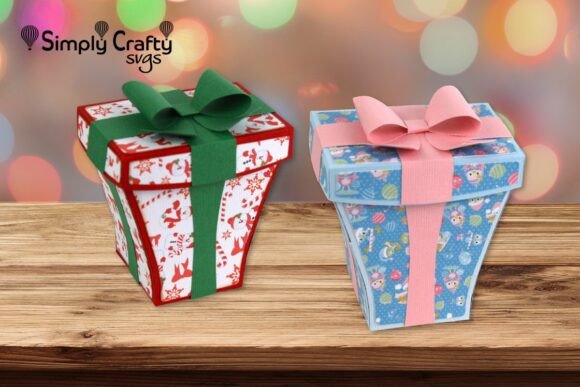
Curved Present SVG: A Designer's Review for Real Projects
As a designer who spends more time staring at stitch simulations than I do sleeping, I approach every new digital embroidery file with a healthy dose of skepticism. We have all been burned by beautiful vector previews that turn into thread nests on the hoop. So, when I pulled up the Curved Present SVG to evaluate it for a potential client project, I wasn't looking for cuteness; I was looking for structural integrity and stitching logic.
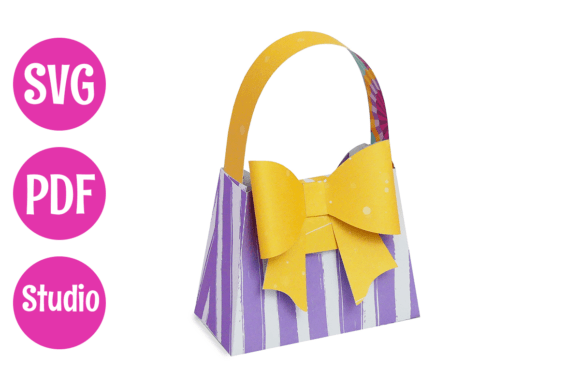
The first thing that strikes you about this design is its mood. It feels celebratory without being chaotic. The gently curved shape mentioned in the description isn't just a stylistic flourish; it suggests a softer, more organic approach to the traditional boxy gift icon. In the world of machine embroidery design, sharp corners are often where registration issues happen, especially on textured fabrics. This curvature implies a design that might flow better on stretchy materials like cotton jersey or fleece.
Visual Personality and First Impressions
Holding the file open in my digitizing software, the layout feels balanced. It has a visual personality that screams "handmade product" rather than "mass-produced clipart." For Etsy sellers and boutique owners, this distinction is vital. Customers can spot a generic, rigid graphic from a mile away. The Curved Present SVG carries a warmth that fits perfectly into the current trend of cozy, personalized goods.
The theme is undeniably tied to Birthdays, but its versatility extends further. Because it avoids specific dates or ages, it works equally well for baby showers, holiday gifts, or even as a logo element for a small shop product line focused on gifting. The lack of intricate, tiny lettering within the main shape is a huge plus. Tiny text is the enemy of clean embroidery, and this design seems to understand that simplicity often equals higher perceived value.
Real-World Application: The Sweatshirt Test
To truly judge an embroidery project, you have to imagine it on a garment. I immediately pictured this design centered on the chest of a heavyweight crewneck sweatshirt. This is a staple item for many craft business owners during the fourth quarter. The curved lines of the present would complement the drape of the fabric, avoiding the stiff, cardboard-like look that dense, blocky designs sometimes create.
If I were producing this for a client, I would likely lean into a satin stitch border for the ribbon detail to give it a slight sheen against a matte fill stitch body. This contrast in texture adds depth. For a personalized gift, adding a name underneath in a simple running stitch font would elevate the piece without cluttering the visual field. The design holds its own, meaning it doesn't need excessive embellishment to look professional.
However, we must talk about the "3D" aspect. While categorized as a 3D SVG, in embroidery terms, this usually refers to the layering potential or the illusion of depth created by the vector paths. It does not automatically mean foam padding is required. If you intend to use actual 3D puff foam, you need to verify the column width of the satin stitches in your machine software. If the columns are too wide, the foam won't collapse correctly; too narrow, and it won't show. My advice? Treat this initially as a flat design unless you are prepared to manually adjust stitch widths for puff application.
Fabric Considerations and Potential Pitfalls
No design is universal, and the Curved Present SVG is no exception. Where should you proceed with caution? First, consider hoop size. While the design looks compact, always measure the actual dimensions in your software before hooping. If you are working on a cap or a structured hat, the curvature of the brim might distort the bottom edge of the present if the design is too wide.
Textured fabrics like waffle knit or heavy towels present another challenge. The fine details of the ribbon tie could get lost in the loops of the towel. In these cases, increasing the stitch density slightly or using a heavier weight stabilizer is non-negotiable. I always recommend testing on scrap fabric first. There is nothing worse than ruining a premium blank because you assumed the default density would work on loopback French terry.
Dark fabrics also require scrutiny. If the design relies on subtle shading or light thread colors, it may vanish against navy or black backgrounds. Before committing to a production run of custom apparel, create a black-and-white mockup. This helps you see the contrast clearly. You might need to add a backing layer or adjust the thread colors to ensure the finished product pops.
Commercial Viability and Brand Consistency
For commercial embroidery professionals, consistency is key. Does this design look the same on the tenth item as it did on the first? The clean lines of the Curved Present SVG suggest good repeatability, provided your tension is dialed in. This reliability builds customer trust. When a buyer receives a tote bag design or an embroidered patch that looks crisp and intentional, they associate that quality with your brand.
This design also serves well as a printable mockup asset. Because the shapes are distinct, they render well in digital previews, helping you sell the idea before you even stitch a thread. For small shop products, having a cohesive set of images for your online store is half the battle. This file fits nicely into a broader collection of holiday or celebration-themed assets.
Practical Notes for the Studio
Before you load this onto your machine, here is a quick checklist based on my experience:
- Check Licensing: Always confirm the license terms before selling finished items or digital derivatives. Some files are for personal use only, while others allow commercial sales.
- Stabilizer Selection: Match your stabilizer to your fabric. Cut-away is usually safer for stretchy garments to prevent distortion over time, while tear-away works for stable woven cottons like tea towels.
- Thread Contrast: Don't be afraid to experiment. A monochromatic look can be chic, but a high-contrast ribbon makes the design readable from a distance.
- Underlay Matters: If your software allows, inspect the underlay stitches. Good underlay prevents the fabric from peeking through and anchors the top stitches, crucial for a professional look.
- Wash Testing: If this is for a product that needs frequent washing, like a baby item or kitchen towel, wash your test sample. Check for puckering or thread breakage.
In conclusion, the Curved Present SVG feels like a solid addition to a designer's library. It balances aesthetic appeal with practical stitching requirements. It avoids the trap of being overly complex, which often leads to production headaches, while still offering enough character to stand out in a crowded marketplace. Whether you are making a one-off personalized gift or stocking inventory for a holiday craft fair, this design offers a reliable foundation. Just remember, the file is only as good as the execution. Take the time to test, adjust, and respect the materials you are working with, and this little curved box will deliver big results.